Adjusting to Clear Aligners and How to Stay on Course
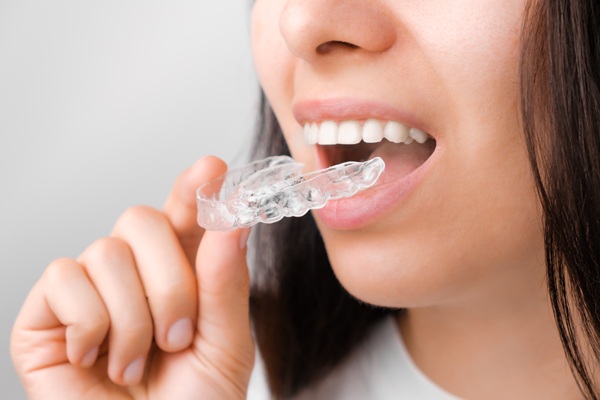
Clear aligners offer a discreet way to straighten teeth while keeping daily routines flexible and comfortable. Many patients choose clear aligners because the trays are nearly invisible and easy to remove for meals, brushing, and flossing. However, even without wires and brackets, the first few days may take some adjustment. Thankfully, steady habits can help keep treatment on track.
The initial adjustment period of clear aligners
The first set of clear aligners may feel snug because the trays are starting to move the teeth. Mild pressure or tenderness may occur at the start of treatment or when switching to a new set. This feeling usually means the aligners are working as planned. Still, for added measure, the dentist may recommend cool water, soft foods, and over-the-counter (OTC) pain relievers to help ease any pain or discomfort.
Aside from the physical adjustment, patients may notice that their speech feels slightly different at first. Some may notice a slight lisp as the tongue gets used to the trays. While this is common, reading out loud or speaking often can help the mouth adapt more quickly. Most patients adjust quickly as clear aligners become part of the daily routine.
Wearing the clear aligner trays as directed
Consistent wear is one of the most important parts of clear aligner treatment. The trays need to stay in place for most of the day and night, with removal only for eating, drinking anything besides water, brushing, and flossing. When aligners stay out too long, the teeth may not move as expected, delaying progress or making the next set of trays feel too tight.
A storage case can help prevent trays from being lost or damaged when they are out of the mouth. Though it may be tempting in some scenarios, avoid wrapping aligners in a napkin, as it can lead to accidental disposal, especially in restaurants, school cafeterias, or break rooms. Keeping the case nearby makes it easier to protect the trays and return them to the mouth on schedule.
Keeping the clear aligners clean
Clean trays help protect the teeth and keep the aligners looking clear. Food particles and plaque can get trapped beneath the trays when they are placed back in the mouth too soon after meals. This is why dentists strongly encourage patients to brush and floss before reinserting the trays, which helps reduce the risk of stains, odors, and cavities. Additionally, rinsing the aligners with lukewarm water after removal also helps keep them fresh.
Helpful hygiene habits include:
- Cleaning trays gently with a soft toothbrush
- Avoiding hot water that may change the tray's shape
- Removing aligners before meals and dark-colored drinks
These steps help keep aligners clear, comfortable, and nearly invisible. The dentist may also recommend specific cleaning products based on the aligner brand and treatment plan.
Staying on schedule with dental visits
Regular dental visits help the dentist monitor how the teeth are moving. These appointments allow them to check the fit of the trays and make sure treatment is following the planned timeline. If the aligners lose their snug fit, the dentist can evaluate the issue before it affects progress. Staying consistent with visits helps keep treatment moving in the right direction.
Call us for more information
Clear aligners can fit smoothly into daily life when patients follow the above directions. The adjustment period often becomes easier with simple routines and consistent care. Call our office for more information.
Request an appointment here: https://www.whitecrowndental.com or call White Crown Dental at (661) 425-0008 for an appointment in our Santa Clarita office.
Check out what others are saying about our dental services on Yelp: Clear Aligners in Santa Clarita, CA.
Related Posts
Clear aligners are a great way to straighten misaligned teeth and achieve a better smile overall, but there are other orthodontic treatment options which are worth considering as well. One of the hardest decision for those who want teeth straightening treatment is determining which option is best, and having more information about clear aligners can…
Starting treatment with an Invisalign® dentist feels exciting, but it also brings a few new routines. The trays fit snugly over your teeth, apply gentle pressure, and stay in place for most of the day. An Invisalign dentist can help patients know what to expect, which can make this adjustment period easier.The first few days…
Preventive dentistry helps patients protect their teeth and gums through childhood, adulthood, and the golden years of life. A healthy smile needs more than occasional attention when something hurts. It needs steady care, regular checkups, and consistent habits that keep small concerns from growing into major problems. Learning how a dentist adapts their approach to…
Curious about cosmetic dental services? Read on to learn more. Most people would like to have a pearly white, evenly aligned smile. However, cosmetic dental procedures can do more than simply make a patient's smile look better — these treatments also improve one's oral health and general well-being.The following are some of the effects that…