Dental Restoration 101: An Overview of Zirconia Crowns
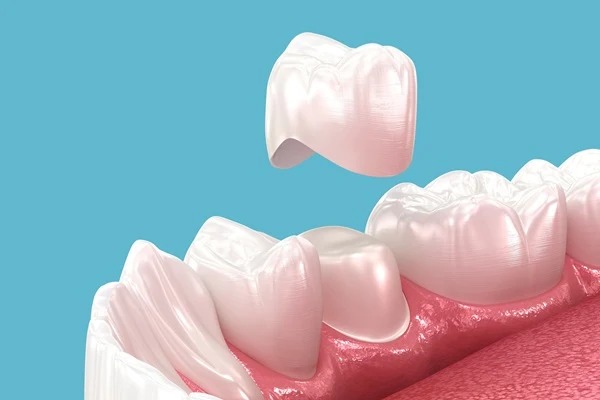
Dentists can repair the smile with a variety of dental restorations, and zirconia crowns are an increasingly popular option. Not only do these crowns look natural, but they are also highly resistant to cracking and wear. This makes zirconia crowns an effective, long-lasting restoration for moderate to severe tooth damage.
Zirconia crowns: What are they?
Zirconia crowns are dental restorations made from zirconium dioxide, a type of ceramic that is extremely strong and biocompatible. Unlike metal-based crowns, zirconia offers the dual advantage of durability and a tooth-colored appearance. As such, general, family, and cosmetic dentists recommend this material for both back and front teeth.
Zirconia crowns can be either monolithic (made from a single block of zirconia) or layered (with a porcelain coating for enhanced aesthetics). The monolithic type is known for its superior strength, making it great for molars and areas subject to heavy chewing. Conversely, layered zirconia provides a more natural translucency and is a popular option for front teeth where appearance is a higher priority.
The process of getting zirconia crowns
The process of receiving a zirconia crown typically involves two appointments. During the first visit, the general, family, or cosmetic dentist prepares the tooth by removing decay or damaged portions and shaping it to accommodate the crown. After this, they take impressions before sending them to a dental laboratory that creates the crown. Computer-aided design and manufacturing (CAD/CAM) techniques have further improved the precision and turnaround time for zirconia crowns.
Next, the dentist places a temporary crown to preserve the tooth during the first appointment. Once the zirconia crown is ready, the patient returns for the second appointment, during which the dentist checks the fit and appearance before cementing it in place.
Pros and cons of zirconia crowns
Zirconia crowns offer advantages over traditional crown materials. Their benefits include:
- Strength and durability. Zirconia is significantly stronger than porcelain and is capable of withstanding biting forces without chipping.
- Aesthetic appeal. The tooth-colored material closely mimics the appearance of natural enamel, especially when layered with porcelain.
- Minimal tooth reduction. In most cases, the dentist will remove less tooth structure than they would have needed to for other crown materials.
However, like all restorations, zirconia crowns also come with a few considerations. For one, they can be more costly than other options like metal or porcelain-fused-to-metal (PFM) crowns, at least without insurance. Zirconia may also contribute to wear on opposing natural teeth over time if not properly polished or adjusted. A general, family, or cosmetic dentist can work to minimize these risks so that the patient can better enjoy the benefits.
Long-term care
Zirconia crowns can last between 10 and 15 years with proper care. This includes consistent oral hygiene at home, routine dental checkups, avoiding staining foods and drinks, and using a night guard to prevent wear from grinding. These practices help maintain crown durability and general oral health.
Want to know more about zirconia crowns?
Patients looking for a natural-looking and long-lasting dental restoration may benefit from zirconia crowns. To learn more about this option, contact our Santa Clarita office. We can evaluate the problem teeth and recommend the most appropriate treatment.
Request an appointment here: https://www.whitecrowndental.com or call White Crown Dental at (661) 425-0008 for an appointment in our Santa Clarita office.
Check out what others are saying about our dental services on Yelp: Zirconia Crowns in Santa Clarita, CA.
Related Posts
Preventive dentistry helps patients protect their teeth and gums through childhood, adulthood, and the golden years of life. A healthy smile needs more than occasional attention when something hurts. It needs steady care, regular checkups, and consistent habits that keep small concerns from growing into major problems. Learning how a dentist adapts their approach to…
Curious about cosmetic dental services? Read on to learn more. Most people would like to have a pearly white, evenly aligned smile. However, cosmetic dental procedures can do more than simply make a patient's smile look better — these treatments also improve one's oral health and general well-being.The following are some of the effects that…
Studies show that more people are getting cosmetic dental services. A greater appreciation for the benefits of a great-looking smile keeps them signing up for these procedures. Each person has a different reason for getting a treatment. Here are some common reasons for having cosmetic dental services for a stunning smile.Advancements in cosmetic dental services…
Cosmetic dental services provide patients with multiple means of changing their smiles, from addressing small blemishes to completely reimagining their entire dentition. Cosmetic dentists are trained dental professionals who focus on aesthetics, but that does not mean they will damage the teeth in order to achieve a patient’s goals. In this way, they provide functional…